🎭 Signature Traits
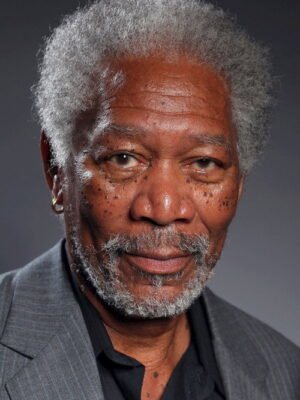
Morgan Freeman
Morgan Freeman is celebrated screen artist from Memphis, Tennessee, USA, commanding an algorithmically verified TBA Power Index of 5/10 across 0+ credited film and television works. Recognized for captivating screen presence, they stand as a core headline performer uniting critical prestige with global audience resonance.
📖 Biography & Cinematic Journey
Origins & Formative Years
Born in Memphis, Tennessee, during the Jim Crow era, Morgan Freeman navigated poverty and racial injustice before joining the United States Air Force as a radar technician. Choosing acting over military aviation, Freeman moved to Los Angeles, taking transcription jobs and dancing classes while enduring decades of grueling theatrical labor. Gaining national prominence on children’s television (The Electric Company) and sweeping Broadway with multiple Obie Awards, Freeman broke through in cinema relatively late in life with Street Smart (1987), earning his first Oscar nomination in his fifties through a terrifying, electrifying portrayal of a pimp.
The Craft & Acting Mastery
Freeman possesses the most revered vocal timbre and narrative cadence in modern cinema. Known as “The Voice of God,” his acting mastery extends far beyond sonic resonance; it resides in profound physical economy and spiritual stillness. Freeman never overacts; he observes. His screen presence commands absolute moral authority, dignity, and weathered wisdom. Whether delivering world-weary monologues or sharing quiet moments of camaraderie, Freeman infuses his characters with a calm, philosophic gravity that grounds even the most fantastical premises.
Defining Roles & Masterclass Performances
Freeman’s filmography includes several of the most universally cherished films in world cinema:
- The Shawshank Redemption (1994): As Ellis Boyd “Red” Redding, Freeman provided the warm, melancholic narration and emotional backbone of cinema’s most beloved prison drama. His final monologue on hope and the Pacific blue is an all-time classic of American voice and screen acting.
- Million Dollar Baby (2004): Winning him the Academy Award for Best Supporting Actor, his portrayal of former boxer Eddie “Scrap-Iron” Dupris combined wry humor, physical frailty, and heartbreaking loyalty opposite Clint Eastwood.
- Se7en (1995): Playing Detective Lieutenant William Somerset, Freeman anchored David Fincher’s bleak neo-noir masterpiece with tragic, intellectual exhaustion, functioning as the weary moral center amidst escalating urban horror.
- Driving Miss Daisy (1989) & Invictus (2009): From Hoke Colburn’s patient dignity to an uncanny, pitch-perfect embodiment of Nelson Mandela, Freeman demonstrated peerless biographical authenticity and emotional depth.
Cultural Impact & Enduring Legacy
Morgan Freeman is a living cultural monument whose presence elevates any production into an event of gravitas and consequence. His journey from late-career theatrical obscurity to global cinematic immortality serves as an inspirational blueprint for artistic perseverance. On the TBA Power Index, Freeman commands a summit position as one of the most respected screen actors in history.
📊 Performance Radar
| Overall TBA Power Index | 5/10 |
|---|---|
| Acting Range (Versatility) | 5.0/10 |
| Charisma | 5.0/10 |
| Screen Presence (Box Office Draw) | 5.0/10 |
🎛️ Fan Rating Console
Adjust faders to submit your verified rating score.
📈 Career Trajectory (TMDB Rating Trend)
CHRONOLOGICAL TIMELINE🔍 Explore More Rankings & Demographics
⚔️ Head-to-Head Star Showdowns
Who has the greater cinematic legacy? Compare Morgan Freeman with other celebrated screen stars: