🎭 Signature Traits
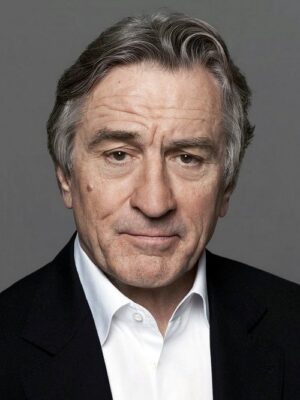
Robert De Niro
Robert De Niro is celebrated screen artist from Greenwich Village, New York City, New York, USA, commanding an algorithmically verified TBA Power Index of 5/10 across 0+ credited film and television works. Recognized for captivating screen presence, they stand as a core headline performer uniting critical prestige with global audience resonance.
📖 Biography & Cinematic Journey
Origins & Formative Years
Raised in Little Italy and Greenwich Village by bohemian painter parents, Robert Anthony De Niro Jr. immersed himself in acting at Stella Adler’s Conservatory and Lee Strasberg’s Actors Studio. Absorbing the principles of the psychological gesture and sensory memory, De Niro developed an introverted, hyper-observant style. His legendary creative partnership with Martin Scorsese ignited with Mean Streets (1973), instantly establishing him as the definitive face of New Hollywood’s raw, uncompromising urban realism.
The Craft & Acting Mastery
De Niro practically defined modern Method screen acting for global cinema. His technique is characterized by obsessive preparation: driving actual New York City taxicabs for months, learning Sicilian dialects phonetically, or gaining sixty pounds to portray a degraded middleweight champion. On screen, De Niro communicates volumes through silence, tense jaw clenches, and sudden, volatile explosions of violence. He explored the dark, repressed corridors of American masculinity—men consumed by jealousy, alienation, and obsessive pride—with unmatched psychological precision.
Defining Roles & Masterclass Performances
De Niro’s 1970s and 1980s work formed the cornerstone of cinematic acting canon:
- Taxi Driver (1976): As Travis Bickle, De Niro crafted the quintessential study of urban isolation and psychological decay. His unscripted mirror monologue (“You talkin’ to me?”) became the most iconic improvised sequence in movie history.
- Raging Bull (1980): Winning him the Academy Award for Best Actor, his portrayal of Jake LaMotta is widely considered the greatest male performance in American cinema, balancing animalistic boxing ferocity with self-loathing tragedy.
- The Godfather Part II (1974): Speaking almost exclusively in Sicilian, De Niro stepped into the shoes of Marlon Brando as young Vito Corleone, earning his first Oscar with a masterclass in quiet, calculated authority.
- The Deer Hunter (1978) & Goodfellas (1990): Embodying blue-collar camaraderie in the shadow of Vietnam and cold, psychopathic mob leadership with Jimmy Conway, De Niro set the gold standard for dramatic and crime genres.
Cultural Impact & Enduring Legacy
Robert De Niro is the titan upon whose shoulders all subsequent generations of screen actors stand. His work permanently redefined the vocabulary of cinematic performance and co-founded the Tribeca Film Festival to revitalize American independent cinema. Holding a summit position on the TBA Power Index, De Niro is a monumental pillar of world film history.
📊 Performance Radar
| Overall TBA Power Index | 5/10 |
|---|---|
| Acting Range (Versatility) | 5.0/10 |
| Charisma | 5.0/10 |
| Screen Presence (Box Office Draw) | 5.0/10 |
🎛️ Fan Rating Console
Adjust faders to submit your verified rating score.
📈 Career Trajectory (TMDB Rating Trend)
CHRONOLOGICAL TIMELINE🔍 Explore More Rankings & Demographics
⚔️ Head-to-Head Star Showdowns
Who has the greater cinematic legacy? Compare Robert De Niro with other celebrated screen stars: